- October 16, 2026
- By: aahadmin
- in: Uncategorized


When it comes to selecting the right telehandler for hire, one of the most important factors to consider is lifting capacity (tonnage). Choosing the correct machine isn’t just about lifting power – it directly impacts site efficiency, safety, accessibility, and overall project cost.
At AAH, we offer a wide range of telehandlers suited to everything from compact indoor works to large-scale construction and infrastructure projects. This guide will help you understand how different tonnage machines align with different applications.
We categorise our telehandler hire fleet into 2 to 7 tonne telehandlers, and 12 to 23 tonne telehandlers.
Telehandlers typically range from 2.5 tonnes through to 7+ tonnes and beyond, with varying lift heights and reach capabilities. However bigger isn’t always better.
The key is matching the machine to:
Best for:
Why choose this size?
Compact telehandlers (typically up to ~2.5–3 tonnes) are ideal where space is limited and manoeuvrability is critical. They are easier to transport, quicker to deploy, and highly efficient for lighter loads.
They’re commonly used for:
In many agricultural or light-duty applications, 2–3 tonne machines are more than sufficient for handling materials like feed, soil, or general supplies.
Key advantage: Access + agility
Limitation: Lower lift height and capacity
Best for:
Why choose this size?
This is the most commonly hired telehandler category and for good reason. Machines in the 3–4 tonne range strike the perfect balance between:
They’re widely used to:
Construction telehandlers in this category typically deliver strong performance across height, reach, and stability, making them ideal for everyday site demands. Key advantage: Versatility across most jobs
Limitation: May not suit heavy or high-reach applications
Best for:
Why choose this size?
Heavy-duty telehandlers are designed for serious lifting and reach performance. These machines are ideal when:
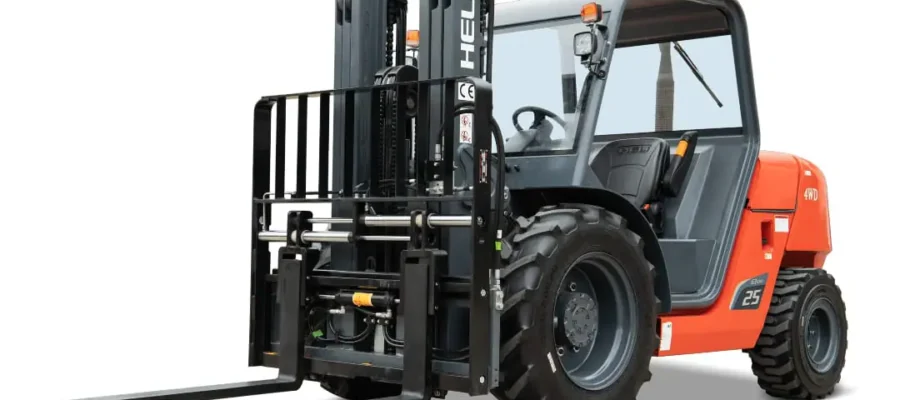
Construction-focused telehandlers in this range can lift 3,000–7,000 kg and reach up to 18 metres, making them essential for high-rise or heavy material placement. They are also commonly used for:
Key advantage: Power + reach
Limitation: Larger footprint, reduced manoeuvrability
Best for:
High-reach telehandlers (often 8–18m+ reach or rotating models) offer enhanced versatility, acting as a hybrid between a forklift and crane.
They are ideal for:
Machines in this category can lift 4–9 tonnes depending on configuration and are commonly used across industrial and infrastructure projects.
Choosing the right tonnage isn’t just about weight, environment matters just as much:
Construction Sites
Events & Urban Projects
Agriculture
Industrial & Warehousing
Selecting the wrong machine can lead to:
A telehandler’s true performance also varies based on boom extension and load position, meaning capacity reduces at full reach, making correct machine selection critical.
Speak to the Experts – At AAH, we don’t just supply hire equipment, we help you choose the right machine for the job.
Whether you need:
Our team can guide you to the right solution, ensuring maximum productivity, safety, and cost efficiency.
Click here to explore the range of 2 to 7 tonne telehandlers we offer for hire.
Click here to view the range of 12 to 23 tonne telehandlers we offer for rent.
👉 Call our friendly customer service team today on 133 224 to book your next telehandler hire.

Since 2006, Australian Access Hire (AAH) has been Australia’s trusted partner for access equipment hire and rental. With branches in Sydney, Brisbane, Melbourne, and Perth, we deliver safe, reliable, and premium-brand solutions for every project.