- October 16, 2026
- By: aahadmin
- in: Uncategorized

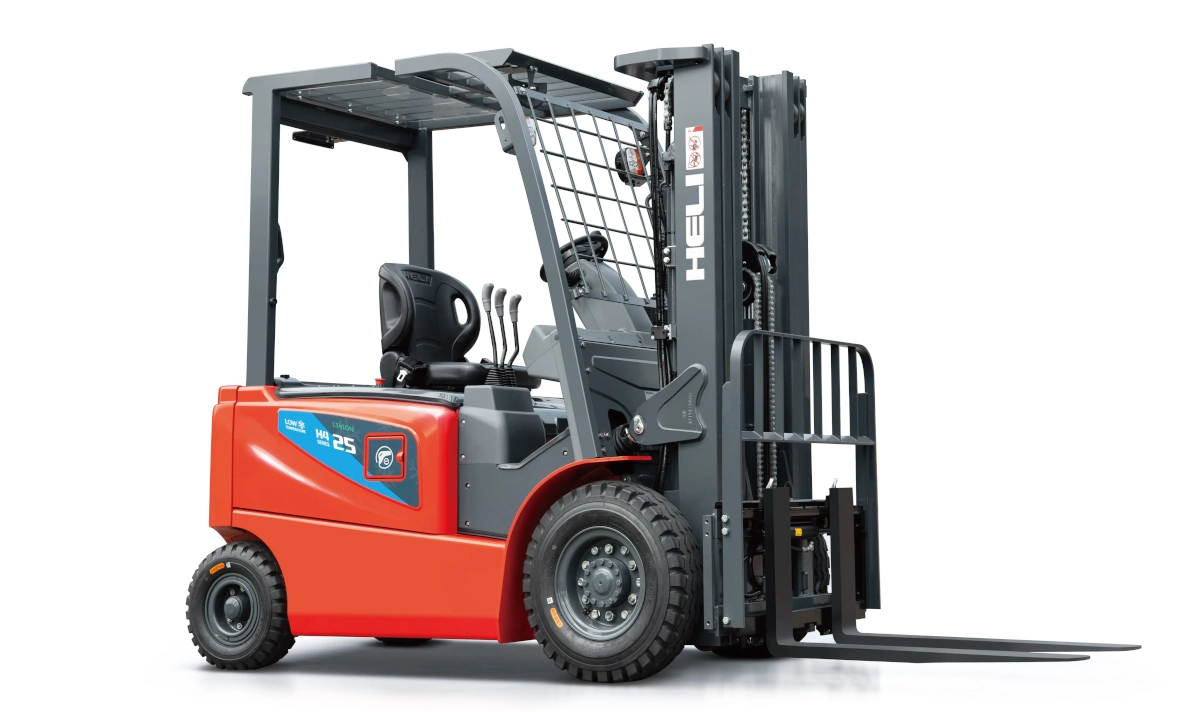
Choosing the right forklift capacity is one of the most important decisions when hiring materials handling equipment. Hire a forklift that is too small and it may not safely handle the load. Choose one that is unnecessarily large and you could be paying for capacity you don’t need.
The right forklift depends on more than simply the weight of the heaviest item you need to move. Load dimensions, lifting height, ground conditions, attachments and how the forklift will be used all need to be considered.
This guide explains the key factors to consider when choosing a forklift capacity for your next project.
Forklift capacity is the maximum load a forklift is designed to safely lift under specified conditions.
For example, a 3-tonne forklift has a rated capacity of 3,000 kg under the conditions specified by the manufacturer. This does not necessarily mean it can lift 3,000 kg at any height, with any load configuration or with any attachment.
As the load moves further away from the forklift’s mast, the lifting capacity can reduce. This is why the load centre is an important consideration when selecting a forklift.
Forklifts are available in a wide range of capacities, from compact machines designed for lighter materials through to heavy-duty forklifts capable of handling several tonnes.
Some common capacity ranges include:
Smaller forklifts are suitable for many general materials handling applications where loads are relatively light and manoeuvrability is important.
Typical applications can include:
Their smaller size can also make them useful where working space is restricted.
The 3–5 tonne range provides additional lifting capacity for heavier construction and industrial applications.
These forklifts can be suitable for moving:
For many construction and materials-handling applications, this range provides a useful balance between lifting capacity and manoeuvrability.
Heavy-duty forklifts are designed for applications where conventional forklift capacities aren’t enough.
They can be used for demanding materials handling tasks involving particularly heavy loads, large machinery, industrial products and construction materials.
When dealing with heavier loads, it is particularly important to consider the actual load dimensions and centre of gravity rather than selecting a forklift based solely on the load’s weight.
Knowing that you need to lift 3,000 kg doesn’t necessarily mean you need a 3-tonne forklift.
The load centre has a significant effect on the forklift’s capacity. A long or unusually shaped load can place more weight further forward of the mast, affecting the machine’s lifting capacity.
For example, a 3,000 kg load that is compact and positioned close to the mast can place different demands on a forklift compared with a 3,000 kg load that extends significantly beyond the forks.
The lifting height can also affect the forklift’s rated capacity.
This is why it is important to provide the equipment hire company with as much information about the load and application as possible.
Lifting height is another important consideration when choosing a forklift.
If you’re loading trucks, stacking materials or placing pallets on high racking, the forklift needs to have sufficient mast height and rated capacity at the required lifting height.
A forklift that can lift a particular weight at low height may have a lower rated capacity when the load is raised higher.
Before hiring, consider:
Providing these details when making an enquiry can help ensure the forklift supplied is suitable for the job.
Where the forklift will operate can be just as important as its lifting capacity.
For smooth, level warehouse floors, a conventional forklift may be suitable. Construction sites, yards and other outdoor environments can present very different conditions.
Uneven surfaces, gravel, dirt, mud and sloping ground can require a different type of forklift or materials-handling machine.
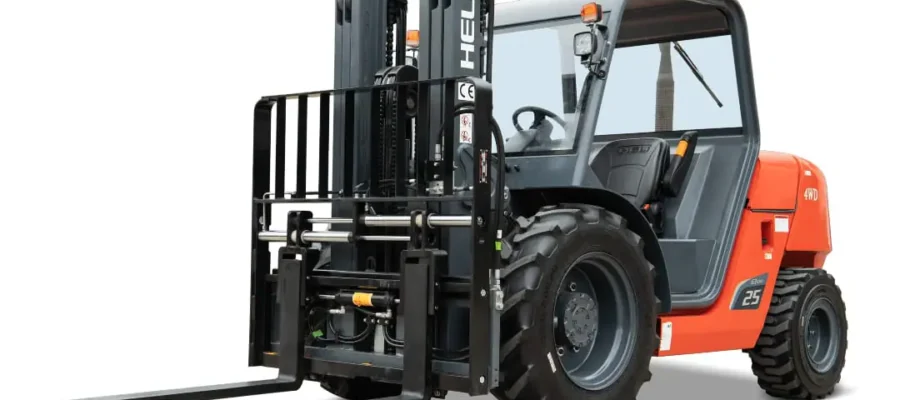
For outdoor construction and difficult terrain, an all-terrain forklift may be more appropriate than a standard warehouse forklift.
Forklift attachments can significantly change how a machine handles a load.
Examples include:
An attachment can change the weight and load centre of the lifting configuration, which can affect the forklift’s rated capacity.
If you know you need a particular attachment, mention it when arranging your forklift hire rather than selecting the forklift first and the attachment afterwards.
The best forklift isn’t necessarily the one with the highest capacity. It is the machine that matches the requirements of the job.
Consider what you actually need the forklift to do.
Are you:
The answers can help determine not only the required capacity, but also the type of forklift that will be most suitable.
When contacting an equipment hire company, having a few basic details ready can make it much easier to identify the right machine.
Ideally, provide:
Photos of the load, work area or access point can also be useful when discussing equipment requirements.
Forklift capacity is only one part of choosing the right machine. The load weight, load centre, lifting height, operating environment and intended application all need to be considered together.
If you’re unsure what capacity forklift you need, it’s better to discuss the job requirements before booking the equipment rather than simply choosing a forklift based on the maximum weight of the load.
At Australian Access Hire, our team can help you identify the right materials handling equipment for your project, whether you need a forklift for a construction site, warehouse, yard or other application.
With forklift hire available across Australia, we can help you find equipment suited to your load, working environment and project requirements.
Contact Australian Access Hire to discuss your forklift hire requirements.
Start with the heaviest load you need to lift, then consider the load’s dimensions, load centre and required lifting height. The operating environment and any attachments you plan to use can also affect the forklift capacity required. If you’re unsure, provide your equipment hire provider with these details so they can help select a suitable machine.
A 3-tonne forklift can have a rated capacity of 3,000 kg, but its actual safe lifting capacity depends on factors such as the load centre, lifting height and configuration of the machine. A 3,000 kg load may not be able to be lifted to the maximum height in every configuration.
A forklift with a rated capacity of at least 5 tonnes may be required for a 5,000 kg load, but capacity alone isn’t enough to determine the correct machine. The load centre, dimensions, lifting height and operating conditions should also be assessed before selecting the forklift.
Yes. A forklift’s rated capacity can change as the load is raised, particularly when working near the machine’s maximum lifting height. Always check the forklift’s rated capacity at the specific lifting height and load centre required for your application.
Some standard forklifts are suitable for outdoor use on appropriate surfaces, but rough, uneven or unsealed ground may require an all-terrain forklift instead. Consider the ground conditions, gradients, weather and access to the work area when selecting equipment for outdoor applications.

Since 2006, Australian Access Hire (AAH) has been Australia’s trusted partner for access equipment hire and rental. With branches in Sydney, Brisbane, Melbourne, and Perth, we deliver safe, reliable, and premium-brand solutions for every project.
CALL OUR TEAM
133 224