- October 8, 2026
- By: aahadmin
- in: Uncategorized

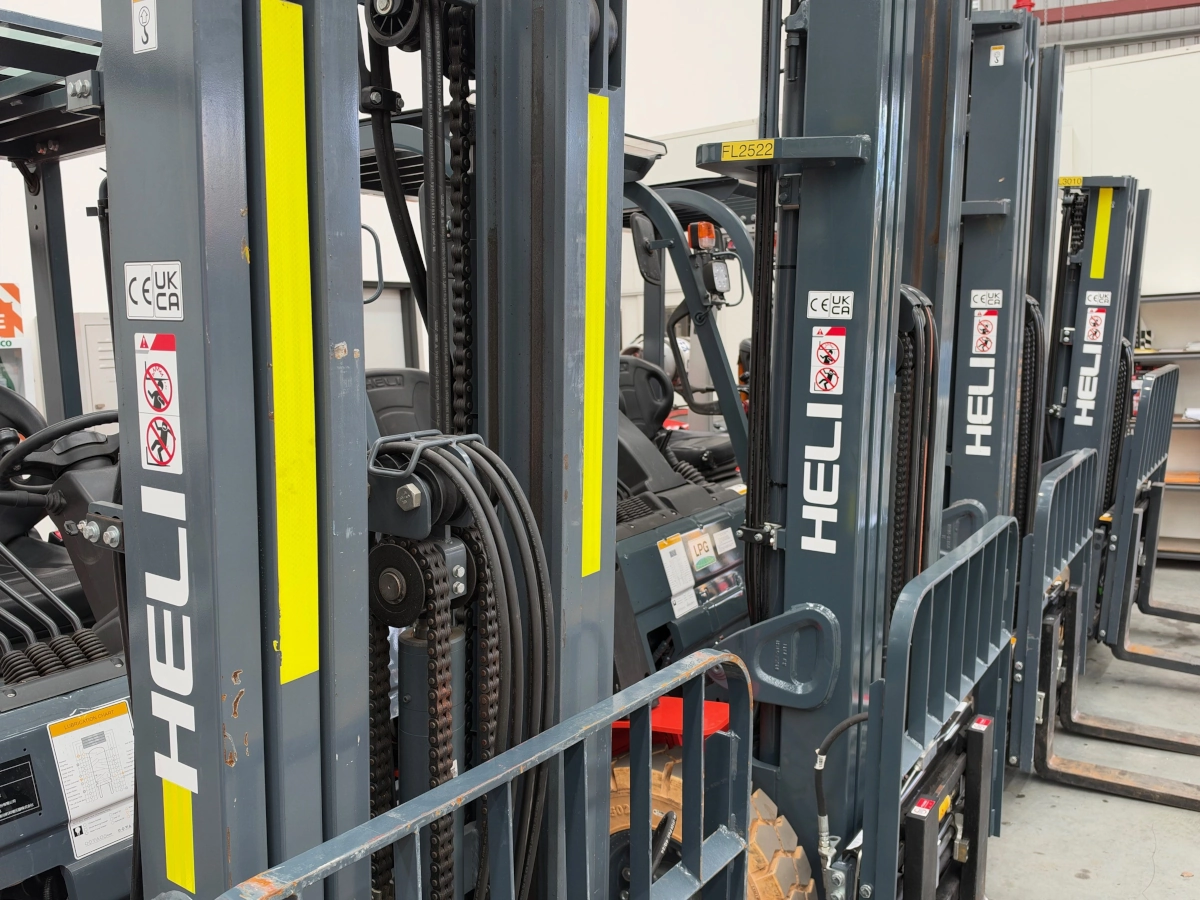
Choosing the right forklift for your site can make a real difference to productivity, safety, running costs and compliance. At Australian Access Hire (AAH), we supply a modern fleet of forklifts for short- and long-term hire across Sydney, Brisbane, Melbourne and Perth. Our range includes gas-powered and diesel-powered models (alongside electric and all-terrain options) with capacities typically from 1.5 t to 7 t, often fitted with side-shift for greater versatility.
Here’s a clear comparison of gas (usually LPG) versus diesel forklifts to help you decide which suits your job.
Diesel forklifts deliver strong low-end torque and are built for heavy-duty, continuous work. They handle larger loads, gradients and rough outdoor surfaces well. This makes them the preferred choice for construction sites, outdoor yards, timber yards, ports, logistics yards and any environment where power and durability under sustained load matter most. Refuelling is quick (usually just a few minutes from a pump or on-site tank), supporting multi-shift operations with minimal downtime.
Gas (LPG) forklifts offer responsive, consistent power that suits a wider range of everyday materials handling. They are typically more compact and manoeuvrable than many diesel units, which helps in tighter spaces. Gas models perform reliably for mixed indoor–outdoor work and lighter-to-medium duty cycles. Cylinder swaps are fast, so they also support continuous operation when cylinders are readily available.
Quick rule of thumb:
Diesel engines produce higher levels of particulates and NOx. They are generally restricted to outdoor use or very well-ventilated areas. Noise and vibration levels are also higher, which can be a factor on noise-sensitive sites or for operator comfort over long shifts.
Gas/LPG forklifts burn cleaner, with lower particulate emissions than diesel. With adequate ventilation they can often be used indoors (subject to site risk assessments and local regulations). They run quieter and smoother, which improves the working environment in warehouses, distribution centres and mixed-use facilities.
Electric forklifts remain the zero-emission indoor preference, but when combustion power is required and indoor access is needed, gas usually wins over diesel.
Fuel costs vary with market prices and duty cycle. Diesel often shows better fuel efficiency under heavy continuous loads thanks to higher energy density. Gas fuel costs can be higher, and you need a reliable supply of cylinders plus safe storage arrangements that meet occupational health and safety requirements.
Maintenance differs too. Diesel engines are robust for heavy work but can involve more complex servicing (filters, injectors, emissions systems on newer units). Gas systems are relatively straightforward but require regular checks on cylinders, vaporizers and related components. Both benefit from the preventative maintenance schedules that AAH applies to its hire fleet, helping minimise downtime.
Refuelling logistics matter on site: diesel needs access to fuel; gas needs cylinder management and safe storage. Factor these into your planning, especially for remote or multi-shift projects.
| Factor | Prefer Diesel | Prefer Gas (LPG) |
|---|---|---|
| Primary environment | Outdoor, rough terrain, construction | Mixed indoor/outdoor, warehouses |
| Load & duty | Heavy, continuous, high torque | Medium duty, versatile, responsive |
| Emissions & noise | Outdoor only; higher noise | Better indoor suitability; quieter |
| Refuelling | Pump/tank – fast | Cylinder swap – fast |
| Typical AAH use cases | Construction, yards, heavy handling | Warehousing, logistics, flexible sites |
Also consider capacity (AAH offers 1.5–7 t options), mast height, attachments, site surface, and any specific compliance needs. All-terrain or rough-terrain diesel forklifts are available when standard units aren’t enough.
The best choice depends on your specific site conditions, load profile, shift patterns and environmental requirements. There’s no universal winner — the right machine is the one that keeps your materials moving safely and efficiently with the lowest total cost of downtime and compliance risk.
AAH supplies well-maintained gas and diesel forklifts (plus electric and all-terrain options) from branches in Sydney, Brisbane, Melbourne and Perth. We offer flexible short- and long-term hire, side-shift equipped machines, and the support of a team that understands Australian worksites. Equipment is prepared to high standards so it arrives ready to work.
Ready to match a forklift to your job? Call the AAH team on 133 224 (available 24/7) or contact us via aah.com.au to discuss your requirements, get a quote, and arrange delivery. We’ll help you choose the power source and capacity that fits – so you can focus on the work, not the equipment.
Generally no. Diesel forklifts produce higher levels of exhaust particulates and NOx, so they are best suited to outdoor or very well-ventilated areas. For indoor or mixed indoor–outdoor work, a gas (LPG) forklift is usually the better and safer choice, provided the space has adequate ventilation and a site risk assessment has been completed.
Both are designed for fast turnaround. Diesel forklifts can be refuelled in a few minutes from a pump or on-site tank. Gas (LPG) forklifts are refuelled by swapping cylinders, which also takes only a few minutes when spare bottles are available. This makes both options suitable for multi-shift operations with minimal downtime.
It depends on your application. Diesel often delivers better fuel efficiency under heavy, continuous outdoor loads. Gas can have higher fuel costs and requires cylinder management, but it offers greater flexibility for mixed indoor–outdoor sites and quieter operation. The right choice is the one that minimises downtime, meets site conditions, and keeps total operating costs under control. AAH can help match the most suitable machine to your project.
AAH supplies forklifts with lifting capacities typically ranging from 1.5 t to 7 t. Many units come fitted with side-shift for improved versatility. Both gas and diesel options are available across our branches in Sydney, Brisbane, Melbourne and Perth, along with all-terrain models for tougher outdoor conditions.
Consider these key factors:
Also factor in load weights, shift patterns, site surface, emissions rules and fuel logistics. Contact the AAH team on 133 224 or via aah.com.au and we’ll help you select the right power source and capacity for your site.
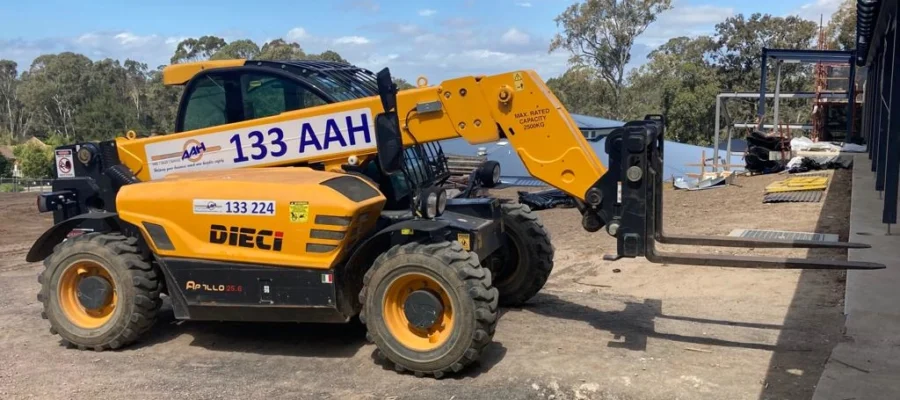

Since 2006, Australian Access Hire (AAH) has been Australia’s trusted partner for access equipment hire and rental. With branches in Sydney, Brisbane, Melbourne, and Perth, we deliver safe, reliable, and premium-brand solutions for every project.
CALL OUR TEAM
133 224