Dieci Dedalus 3t Telehandler for Hire – Sydney, Brisbane, Melbourne, Perth
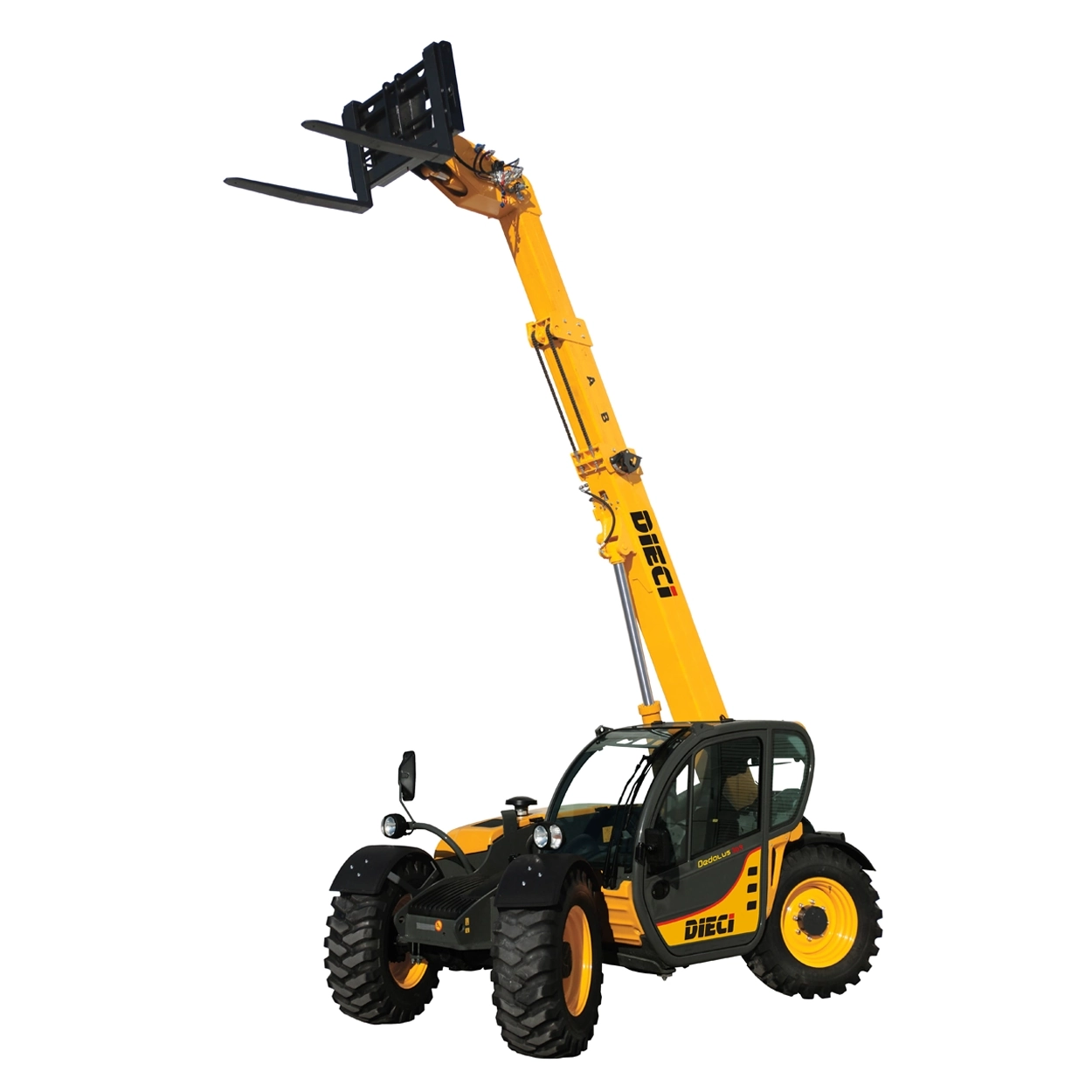
The Dedalus 3t telehandler for hire from AAH Australia is a compact and highly agile solution for construction, civil and industrial projects. Designed for worksites that require strength and manoeuvability in tight spaces, this 3 tonne telehandler delivers reliable lifting performance without compromising mobility.
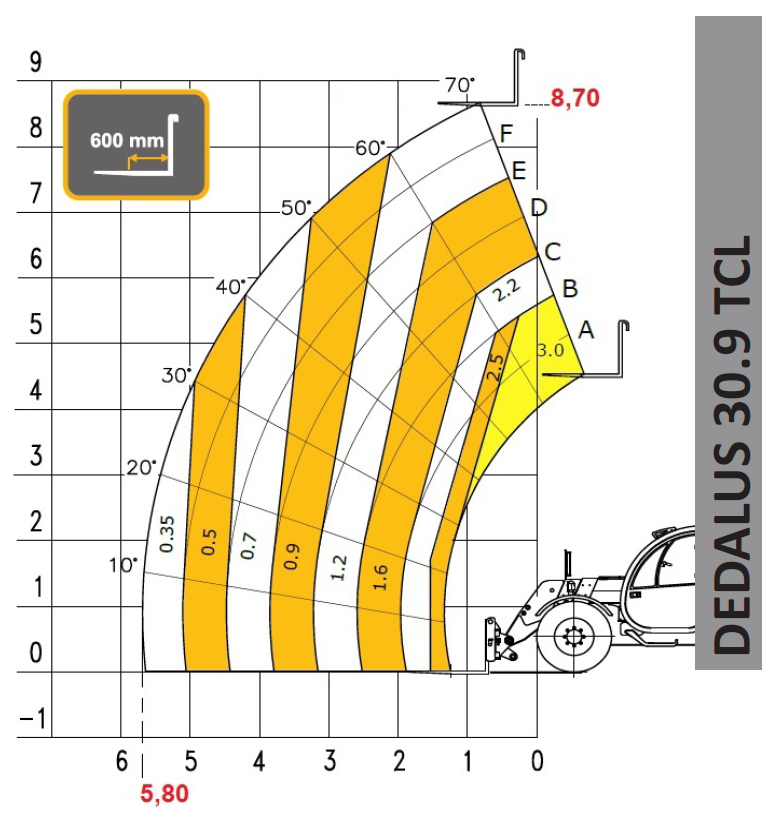
With a maximum lifting capacity of 3,000 kg (3 tonnes) and a lift height of 8.7 metres, the Dedalus 3t is ideal for commercial construction, residential developments, infrastructure works and general materials handling. Its compact design and responsive steering allow operators to work efficiently in confined areas while maintaining stability and control.
Built for demanding Australian conditions, this 3 tonne telehandler features a ROPS/FOPS-approved cab to ensure operator safety and comfort on busy job sites. The ergonomic controls and smooth hydraulic operation enhance productivity, while the machine’s low-maintenance design helps reduce downtime and operating costs.
Compatible with a wide range of telehandler attachments, including forks and buckets, the Dedalus 3t adapts easily to multiple site tasks.
AAH Australia provides 3 tonne telehandler hire across Sydney, Melbourne, Brisbane and Perth, offering dependable equipment and flexible rental solutions to support your project requirements.
3 Tonne telehandler with 8.7m lift height Hire FAQs
What is the Dieci Dedalus 3T 8.7m telehandler used for?
The Dieci Dedalus 30.9 is a 3-tonne telehandler designed for construction, civil, infrastructure and industrial applications where materials need to be lifted to greater heights or positioned further from the machine. It has a maximum lifting capacity of 3,000 kg, a lift height of 8.7 metres and a horizontal reach of 5.8 metres. Its rough-terrain capability also makes it suitable for demanding outdoor worksites where conventional forklifts may not be appropriate.
Why hire the 8.7m Dedalus instead of the 6.35m version?
The main reason is reach. Both Dedalus models have a 3,000 kg maximum lifting capacity, but the 30.9 can lift to 8.7 metres compared with 6.35 metres for the 30.7. It also provides 5.8 metres of horizontal reach compared with 3.7 metres. The 30.9 is therefore better suited to projects where materials need to be placed higher or further away from the machine, while the 6.35m model can be a more practical choice when that additional reach isn’t required.
What types of jobs benefit from the Dedalus 30.9's 8.7m reach?
The additional reach can be particularly useful on construction and infrastructure projects where materials need to be placed on upper levels, over obstacles or further into a structure. Applications can include moving building materials on multi-storey projects, loading and unloading materials, positioning equipment and handling loads where the machine cannot be positioned directly beside the final placement point. The 5.8m horizontal reach provides considerably more positioning flexibility than a shorter-boom telehandler.
Is the Dedalus 30.9 still suitable for sites with limited space?
Despite its longer boom, the Dedalus 30.9 remains a relatively compact 3-tonne telehandler, measuring approximately 2 metres wide and 2.2 metres high when stowed. Its compact dimensions can make it useful on construction sites where access is restricted but additional lifting height is still required. However, the longer-boom configuration and larger operating envelope should be considered when assessing the available space on the site.
Is the 8.7m Dedalus better than the 6.35m Dedalus?
The two machines are suited to different lifting requirements rather than one being universally better. The Dedalus 30.9 is the appropriate choice when the job requires up to 8.7 metres of lift height or 5.8 metres of horizontal reach. If the required lift height is comfortably within 6.35 metres and the additional reach isn’t needed, the shorter-boom Dedalus 30.7 may be a more suitable option. Selecting the machine based on the actual height, reach and load requirements can help avoid hiring a larger-capability machine than the job requires.