- October 16, 2026
- By: aahadmin
- in: Uncategorized

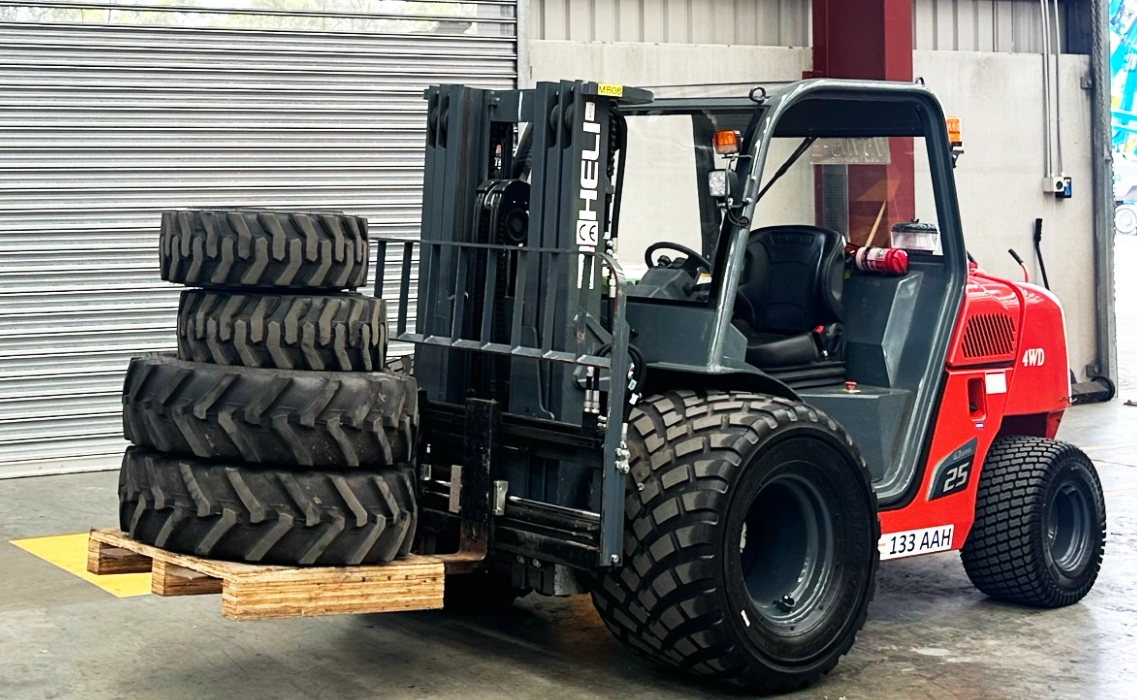
Hiring a forklift can be one of the most efficient and cost-effective ways to handle materials on-site—whether you’re managing a construction project, running a warehouse, or dealing with a short-term spike in workload.
But choosing the right forklift isn’t always straightforward. From lift capacity and terrain type to hire duration and safety requirements, there are several factors that can impact both cost and performance.
In this guide, we’ll break down everything you need to know about forklift hire so you can choose the right machine for the job—and avoid expensive mistakes.
For many businesses, hiring makes far more sense than purchasing outright.
Key benefits of forklift hire:
If your usage is occasional or project-based, hiring is almost always the smarter financial move.
Not all forklifts are created equal. Choosing the right type is critical.
Best for indoor use such as warehouses and distribution centres.
Built for heavy-duty outdoor work.
A versatile option for both indoor and outdoor use.
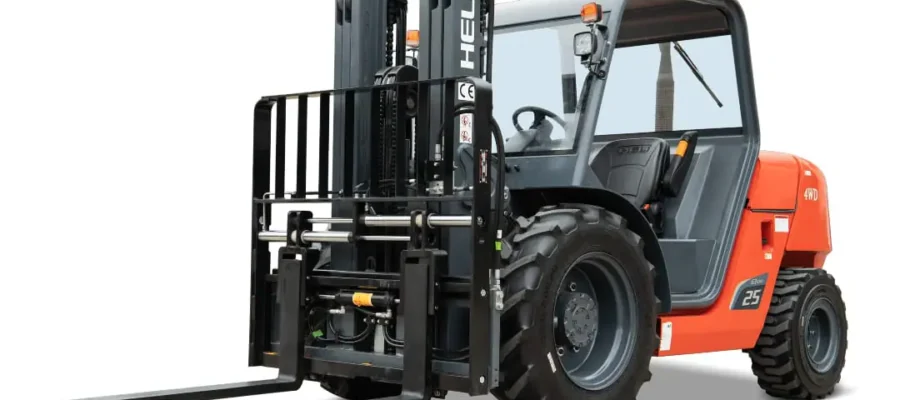
Designed for construction sites and uneven ground.
Before hiring, ask yourself a few key questions:
Always choose a forklift with a higher capacity than your heaviest load to maintain safety and efficiency.
Check the maximum lift height—especially important for warehouse racking.
Hire periods can impact pricing significantly:
Pricing can vary depending on several factors:
Generally, longer hire periods reduce the daily cost, so it’s worth planning ahead.
Operating a forklift isn’t just about getting the job done—it’s about doing it safely.
In Australia, forklift operators must hold a valid high-risk work licence.
Other safety considerations:
Hiring from a reputable supplier ensures equipment is well-maintained and compliant with safety standards.
Avoid these and you’ll save yourself time and money:
Forklift hire is a practical, flexible solution for businesses that need reliable material handling without the cost and commitment of ownership.
By choosing the right machine and planning your hire properly, you can improve productivity, reduce downtime, and keep your operations running smoothly.

Since 2006, Australian Access Hire (AAH) has been Australia’s trusted partner for access equipment hire and rental. With branches in Sydney, Brisbane, Melbourne, and Perth, we deliver safe, reliable, and premium-brand solutions for every project.