- October 16, 2026
- By: aahadmin
- in: Uncategorized

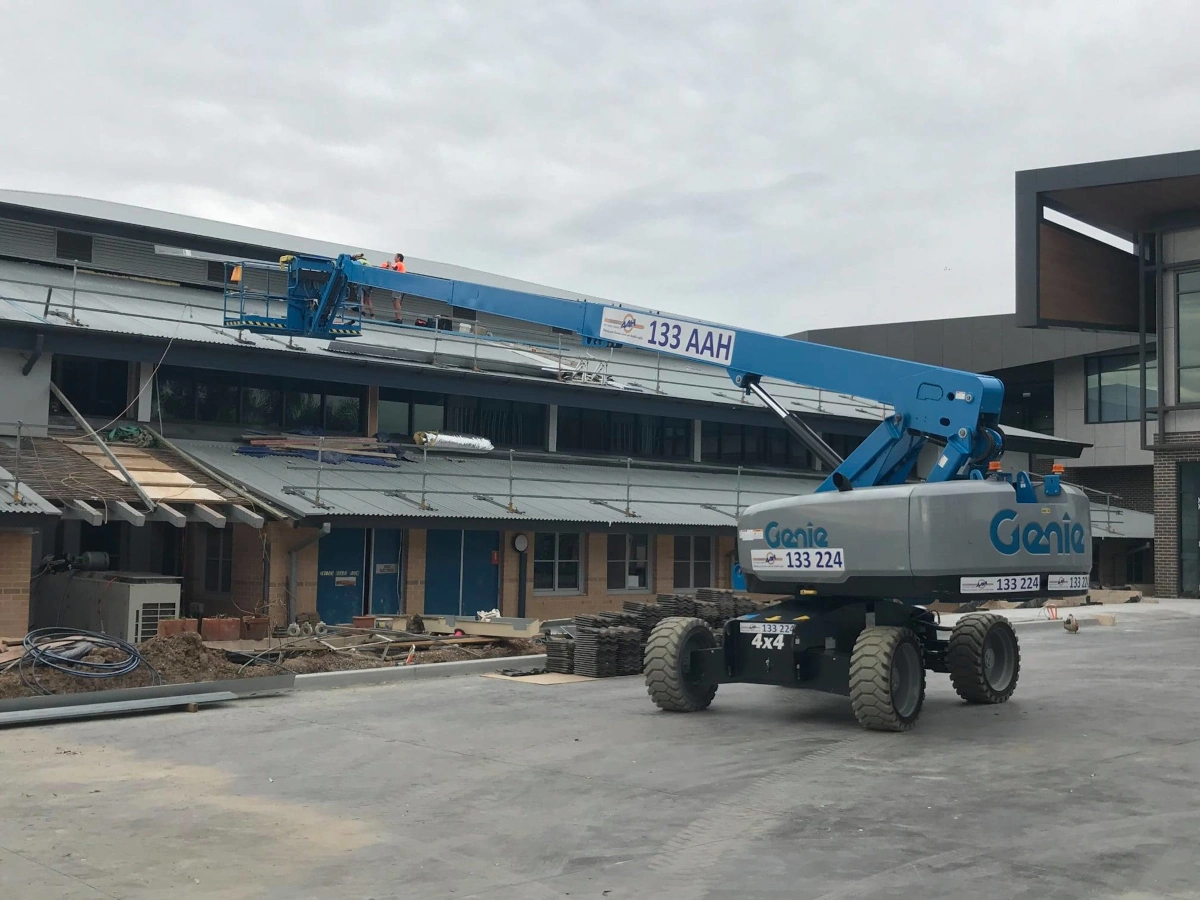
For many Australian construction, civil and infrastructure businesses, having reliable access to the right materials handling and access equipment is essential. But owning every machine required to complete a project isn’t always the most efficient way to achieve it.
Long-term equipment hire provides an alternative to purchasing, allowing businesses to secure the machinery they need for extended periods without taking on the financial and operational responsibilities associated with ownership.
From improved cash flow and predictable costs to reduced maintenance responsibilities and greater flexibility, long-term hire can be a practical solution for businesses that need equipment for months or even years at a time.
Purchasing heavy equipment represents a significant upfront investment. A single telehandler, forklift, straight boom lift, knuckle boom lift, mixer truck or dump truck can tie up substantial amounts of capital that could otherwise be used elsewhere in the business.
Long-term hire removes the need for a large upfront purchase, allowing businesses to retain capital for areas such as project mobilisation, additional staff, materials, vehicles, property or future growth.
Instead of committing a large amount of capital to an asset, businesses can spread their equipment costs over the period they actually require the machine.
Long-term hire can make equipment costs easier to forecast.
Rather than dealing with a large capital purchase followed by unpredictable repair and maintenance expenses, a long-term hire agreement provides a regular equipment cost that can be incorporated into project budgets and operating expenses.
For businesses managing multiple projects simultaneously, predictable equipment costs can make financial planning considerably easier.
This can be particularly valuable for contractors working on long-term construction, civil, infrastructure and mining projects where equipment may be required continuously for an extended period.
Every piece of heavy equipment eventually depreciates.
When a business owns a machine, it carries the financial impact of depreciation and ultimately has to decide when and how to dispose of the asset. Market conditions, machine hours, condition and changes in technology can all affect its resale value.
With long-term hire, the equipment remains the hire company’s asset.
At the end of the hire period, the customer can return the machine without having to sell it, advertise it, negotiate with buyers or absorb the risk of a lower-than-expected resale value.
This can be particularly attractive for businesses that don’t want to maintain a large fleet of depreciating assets.
Equipment ownership comes with ongoing responsibilities.
Servicing, preventative maintenance, repairs, inspections and unexpected breakdowns all require time and resources. Businesses also need to manage parts, technicians and maintenance schedules to keep their equipment operational.
With long-term hire, much of this responsibility can be managed by the equipment hire provider.
At AAH, our experienced team works to keep hired equipment maintained and ready for work, helping customers spend less time managing machinery and more time focusing on their projects.
Where required, our support network can also assist with servicing and maintenance throughout the hire period.
Technology and equipment specifications continue to evolve.
Owning machinery for many years can mean continuing to operate equipment that may eventually become less efficient, less productive or less suited to changing project requirements.
Long-term hire provides an opportunity to access modern equipment without committing to owning it for its entire operating life.
When the hire period ends, businesses can select a different machine for their next project rather than being tied to an existing asset.
One of the biggest advantages of long-term hire is flexibility.
Different projects require different machines. A contractor may need a high-capacity telehandler for one project, compact access equipment for another and heavy-duty dump trucks or mixer trucks for a major civil infrastructure project.
Owning a large fleet can provide access to this equipment, but it also means carrying the cost of machines when they aren’t being used.
Long-term hire allows businesses to select equipment based on the requirements of the project rather than building a permanent fleet around every possible application.
Equipment only generates value when it is being used productively.
A machine sitting in a yard between projects still represents a capital investment. It may also continue to incur registration, insurance, maintenance, depreciation and storage costs.
For businesses with variable workloads, long-term hire can provide a more flexible way to access equipment when it is required without permanently carrying an underutilised asset.
This doesn’t mean long-term hire is always cheaper than ownership. If a machine is going to be used intensively and continuously for many years, purchasing may make financial sense. The important consideration is how frequently and for how long the equipment will actually be used.
Project workloads can change quickly.
A business may secure a major contract that requires additional equipment but not want to permanently expand its fleet. Long-term hire provides a way to increase available equipment without making a significant capital investment.
This can be particularly useful for contractors working on large infrastructure projects, where additional machinery may be required for the duration of a project but have limited use afterwards.
Once the project is complete, the business isn’t left with additional machinery that may sit idle.
Getting large construction equipment to and from a job site can be a logistical challenge, particularly for businesses operating across multiple locations.
AAH can manage the logistics involved in getting hired equipment to your site and arranging its uplift when the hire period is complete.
This means customers don’t necessarily need to organise transport for large and specialised machinery themselves. Equipment can be delivered directly to the job site, helping simplify mobilisation and demobilisation.
For large projects, this can remove another layer of logistics from the contractor’s workload.
Long-term hire isn’t simply an extended version of short-term equipment rental.
It can be structured around the requirements of a specific project or business, providing access to equipment for extended periods while avoiding the long-term commitment of ownership.
This makes it particularly suitable for businesses that know they will need a machine for several months or longer but don’t necessarily want that machine permanently on their balance sheet.
There isn’t one answer for every business.
Ownership may make sense when:
Long-term hire may be more attractive when:
The right decision ultimately depends on how the machine will be used, how long it will be required and the financial priorities of the business.
For many contractors, long-term equipment hire provides a balance between having reliable access to high-quality machinery and avoiding the financial and operational commitments associated with ownership.
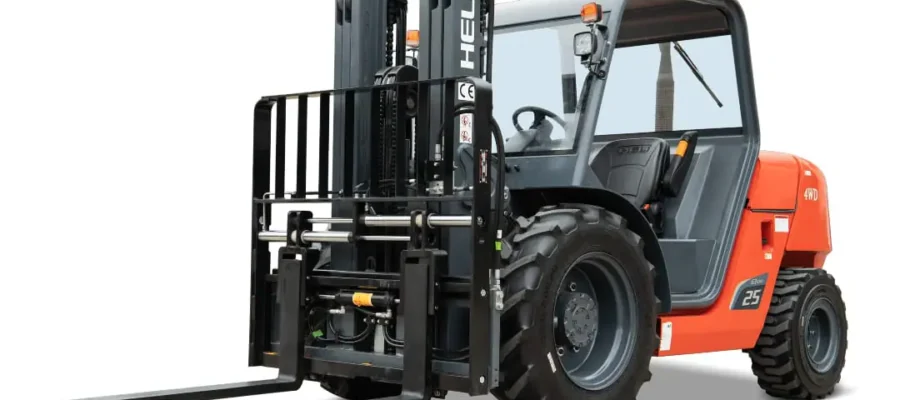
AAH provides a broad range of heavy equipment for long-term hire across construction, civil, infrastructure, mining and industrial applications. Our fleet includes telehandlers, forklifts, boom lifts, scissor lifts, mixer trucks and dump trucks, with equipment available for projects throughout Australia.
From selecting the right machine through to delivery, ongoing support and uplift at the end of the hire period, AAH can help simplify the process of keeping the right equipment on your job site.
Need equipment for an extended project? Contact AAH to discuss your long-term hire requirements and find the right machine for the job.
Long-term equipment hire generally refers to hiring machinery for an extended period, such as several months or longer, rather than for a short-term project or individual task. The exact hire period can vary depending on the equipment and project requirements. Long-term hire can be particularly useful for major construction, civil, infrastructure and mining projects where machinery is required consistently throughout the project.
It depends on how often the equipment will be used, how long it will be required and the costs associated with ownership. Long-term hire can avoid the upfront capital investment, depreciation, maintenance and eventual resale of an owned machine. For equipment required for a specific project or where utilisation varies, long-term hire can provide a more flexible and cost-effective alternative to purchasing.
Long-term hire can help businesses preserve capital, improve cash-flow predictability and reduce the responsibilities associated with equipment ownership. Customers can access the machinery they need without taking on depreciation and resale risk, while maintenance and servicing requirements can also be managed by the hire provider. It also makes it easier to scale equipment fleets according to changing project requirements.
Yes. Long-term hire is well suited to projects where equipment is required continuously for several months or longer. AAH offers long-term hire across a wide range of heavy equipment, including telehandlers, forklifts, boom lifts, scissor lifts, mixer trucks and dump trucks. Equipment can be delivered directly to the job site and uplifted when it is no longer required.
Yes. AAH can arrange delivery of hired equipment to the customer’s job site and organise uplift when the hire period is complete. This allows contractors to focus on their project rather than arranging transport for large and specialised machinery themselves, simplifying both project mobilisation and demobilisation.

Since 2006, Australian Access Hire (AAH) has been Australia’s trusted partner for access equipment hire and rental. With branches in Sydney, Brisbane, Melbourne, and Perth, we deliver safe, reliable, and premium-brand solutions for every project.
CALL OUR TEAM
133 224