- November 20, 2026
- By: aahadmin
- in: Uncategorized


Hiring a forklift or telehandler is often an important part of getting a construction, industrial or infrastructure project underway. However, before the machine arrives, it’s worth taking some time to prepare your site.
Making sure there is suitable access, adequate space for unloading and appropriate ground conditions can help avoid unnecessary delays and ensure the equipment is ready to use when it arrives.
Whether you’re hiring a forklift for material handling or a telehandler for lifting and placing materials around a construction site, here are some important things to consider before delivery.
One of the first things to consider is how the delivery vehicle and hired equipment will enter your site.
Forklifts and telehandlers can be transported on trucks or trailers, so the delivery vehicle may require more clearance and manoeuvring space than the machine itself.
Before arranging delivery, check:
Gate widths and entrance heights.
Overhead obstructions, including powerlines, branches and building structures.
Narrow access roads and tight turning areas.
Slopes, uneven surfaces and soft ground along the access route.
Any weight restrictions on bridges, driveways or access roads.
If your site has restricted access, it’s important to communicate this when organising the hire. Providing accurate information can help ensure the right delivery arrangements are made.
The delivery vehicle needs a safe and suitable location to unload the equipment.
Ideally, the unloading area should be level, firm and large enough to accommodate the transport vehicle, ramps and machinery. It should also be clear of other vehicles, stored materials, pedestrians and unnecessary obstructions.
On busy construction sites, it can be useful to designate an unloading area before the equipment arrives. This helps prevent other site activities from interfering with delivery and reduces the need to move materials or vehicles at the last minute.
If there isn’t enough room to unload near the intended work area, consider whether the machine can safely travel from the unloading point to where it will be used.
Ground conditions are particularly important when hiring forklifts and telehandlers for outdoor applications.
Soft soil, loose gravel, mud and uneven surfaces can affect machine stability and accessibility. Even equipment designed for rough terrain has operating limitations, so the conditions on site need to be considered before delivery.
For construction sites, check whether the access route and unloading area are firm enough to support the delivery vehicle and the hired machine.
It’s also worth considering how ground conditions may change during the hire period, particularly after heavy rain.
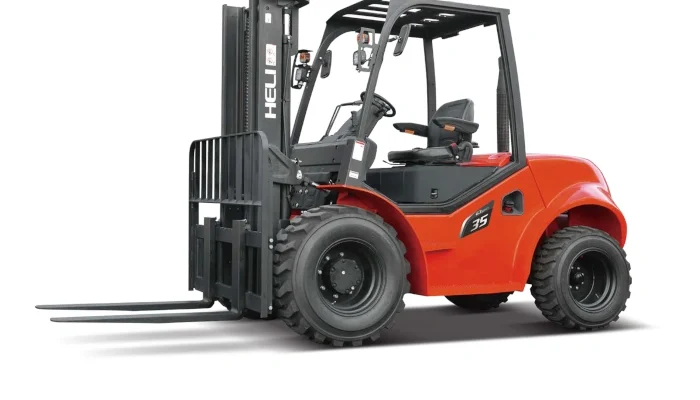
If you’re working on uneven or unsealed surfaces, an all-terrain forklift or telehandler may be more suitable than a conventional warehouse forklift. The right choice will depend on the terrain, load requirements and intended application.
Once the machine has been delivered, it needs sufficient room to manoeuvre and carry out the intended work.
Consider the available space around storage areas, buildings, scaffolding, trenches and other site obstacles.
For forklift operations, allow enough room for the machine to turn, position itself and handle loads safely. For telehandlers, consider the machine’s operating reach, lifting capacity and the space required to position and handle materials.
You should also identify overhead hazards, including powerlines, roof structures and suspended services. These need to be considered when planning lifting operations.
Remember that a telehandler’s maximum lifting capacity can change depending on boom extension, load position and attachment. Always refer to the manufacturer’s load chart and operating instructions when planning lifts.
Preparing your site also means confirming that the equipment hired is suitable for the work being carried out.
Forklifts and telehandlers serve different purposes, and choosing the right machine depends on the materials being handled, the required lifting capacity, operating environment and available space.
For example, a conventional forklift may be suitable for moving palletised materials around a warehouse or firm industrial surface. An all-terrain forklift may be more appropriate for outdoor construction sites, while a telehandler offers extended reach for lifting and placing materials at height or over obstacles.
Attachments should also be considered before delivery. Forks, buckets, jibs and other attachments can change what a telehandler is capable of doing, but they must be compatible with the machine and suitable for the intended task.
If you’re unsure which equipment or attachment is appropriate, discuss your requirements with your hire provider before confirming the booking.
Good communication can make a significant difference to how smoothly equipment delivery goes.
Make sure the relevant site personnel know when the machine is arriving and who will be responsible for receiving it.
It’s also worth arranging the following before delivery:
Confirm the delivery date and expected arrival time.
Ensure someone is available to receive the equipment.
Keep the unloading area clear.
Arrange any required site inductions or access permissions.
Confirm where the machine should be parked or stored.
Make sure appropriately trained and authorised operators are available before the machine is put to work.
Planning these details in advance helps minimise interruptions and makes it easier to get the equipment into operation.
Preparing your site before delivery is a straightforward way to help your equipment hire run smoothly. Checking access, unloading arrangements, ground conditions and operating space can prevent avoidable delays and help ensure the machine is suitable for the work ahead.
Australian Access Hire offers a range of forklifts and telehandlers for construction, industrial, materials handling and outdoor applications. With different machine capacities and configurations available, we can help you find equipment suited to your site requirements.
Whether you need a forklift for moving materials around a worksite or a telehandler for lifting and positioning loads across difficult terrain, our team can assist with your equipment hire requirements.
Contact Australian Access Hire to discuss your project and arrange the right equipment for your site.
Yes. You should make sure there is suitable access for the delivery truck, a clear unloading area and enough space for the machine to manoeuvre. It’s also important to check ground conditions and identify any overhead or access restrictions before delivery.
This depends on the type of machine and the work being carried out. Conventional forklifts are generally suited to firm, relatively level surfaces, while all-terrain forklifts and telehandlers are designed for more demanding outdoor conditions. Soft ground, mud, steep slopes and uneven surfaces should always be assessed before operating.
Let your hire provider know about site access, gate dimensions, overhead restrictions, unloading space and ground conditions. You should also explain what the machine will be used for, including the materials being handled and the required lifting capacity and reach. This helps ensure suitable equipment and delivery arrangements are organised.
You should have an appropriately trained and authorised operator available before putting the machine to work. Operator licensing and competency requirements depend on the equipment type and the work being undertaken. Your site should also have suitable procedures for managing pedestrians, vehicle movements and lifting operations.
Yes, but the available access and working space will influence which machine is suitable. Smaller machines may be better suited to confined areas, while larger machines require more room for delivery, unloading and operation. Discuss any access restrictions with your hire provider before booking so the appropriate equipment can be selected.
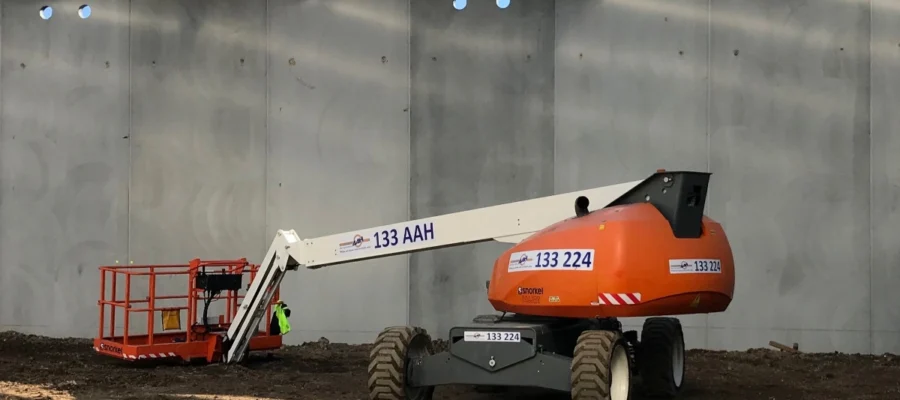

Since 2006, Australian Access Hire (AAH) has been Australia’s trusted partner for access equipment hire and rental. With branches in Sydney, Brisbane, Melbourne, and Perth, we deliver safe, reliable, and premium-brand solutions for every project.
CALL OUR TEAM
133 224